Win back lapsed customers without nagging them.
Three segments, a capped sequence, and clear suppression rules so outreach never turns into pressure.

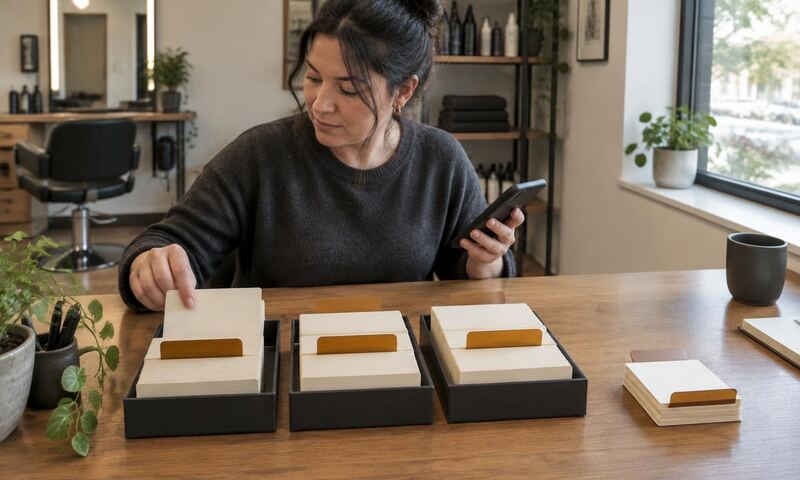
The line between attentive and pushy is not fixed. It depends on your customers and channel. Start conservative and measure where replies drop off and opt-outs rise.
Here is a conservative starting cadence for customers who miss their service window, with content and timing to test and adjust against your own reply, booking, and opt-out data.
Segments
Three segments, three different messages
Sending one win-back message to everyone who has not booked recently is the core mistake. A customer two weeks past their window and a customer nine months out need different wording and different frequency.
| Segment | Definition | Message intent | Frequency cap |
|---|---|---|---|
| Due | Inside the rebooking window | Normal cycle prompt. Book the next visit | Prompt plus one nudge |
| Overdue | Up to one full cycle past the window | Acknowledge the gap, make booking one tap | One message |
| Lapsed | More than one full cycle past the window | Low-pressure reintroduction, no guilt | Two touches, then stop |
Trigger
When lapsed starts
- 30d silentSoft check-in
- 60d silentSecond nudge with offer
- 90d+Final message, then stop
- 30d silentSoft check-in
- 60d silentSecond nudge with offer
- 90d+Final message, then stop
Lapsed begins one full cycle past the expected rebooking window. If the pattern is six weeks and the customer has not booked at ten weeks, they are lapsed. Not before.
Before that mark, the reminder is your normal cycle-timed prompt, not an outreach message.
Cadence
The capped sequence
Same channel the customer booked with. Each touch shorter than the last. No discount unless you are testing one deliberately.
| Touch | Timing | Channel | Content |
|---|---|---|---|
| One | One full cycle past the window | Booked channel, usually SMS | Name the last service, one sentence on the gap, one booking link |
| Two | About two weeks later | Same channel | Shorter. A different reason to book, such as a variant or a shorter service |
| Three (optional) | Several weeks later | Slightly longer, offers a preferences link so the customer can choose less contact | |
| After that | No fixed date | Newsletter only | No further direct rebooking prompts to this customer |
Scripts
Message examples
Plain, specific, one link. The service name does most of the work.
- 01Touch one SMS: “Hi [name], it has been about [interval] since your [service]. Here is the link if you want your usual slot: [link]”
- 02Touch two SMS: “No pressure, [name]. If a shorter [service variant] fits better right now, that is bookable here: [link]”
- 03Touch three email: “We still have your [service] history on file, so booking takes a minute. If you would rather hear from us less often, update your preferences here.”
Suppression
Suppression rules
Suppression is what keeps outreach from becoming pressure. Check these before any touch sends.
- 01Opted out of that channel. Suppress permanently on that channel.
- 02Open complaint or unresolved service issue. Route to the private recovery path instead.
- 03Already received an outreach touch inside the spacing window.
- 04Booked an appointment since the last touch. Exit the sequence immediately.
- 05Refunded or disputed a recent charge. Handle that thread before any marketing message.
Worked example
A three-touch cadence for a lapsed customer
Show the example cadence
Hypothetical timings, not a measured result.
A customer's typical cycle is eight weeks. Rebooking prompts fired at week 8 and week 10 with no response. The lapsed cadence takes over.
Touch one at week 14: short text, no discount, one direct booking link. Touch two at week 20: same channel, one sentence, one link. Touch three at week 28: email, slightly longer, still no discount, offering to update preferences if the customer would rather not hear from the shop.
In this scenario, replies, bookings, and opt-outs are tracked separately at each touch. Your numbers will differ. Use your own reply, booking, and opt-out counts to decide whether to keep, shorten, or drop a touch.
Frequently asked questions
Wire lapsed outreach into your booking tool.
The Loop Audit checks your records and a test booking, then names the seam and what to change first.